

A Journey Rooted in Heritage, Discipline and Service
There are lives that cannot be understood through one title alone. Some people are shaped by the place they come from, the values they inherit, the responsibilities they accept, and the fields in which they choose to serve. The journey of Sahibzada Sultan Muhammad Ali brings together all these dimensions: spiritual heritage, equestrian tradition, Team Sultan, motorsport, public service, and meaningful engagement with media and society.
At the heart of this journey lies a deep connection with Sufi heritage. This heritage is not simply a matter of family history; it is a way of looking at life. It carries within it a respect for humanity, a sense of humility, and a belief that influence should be used with responsibility. The spiritual tradition associated with Hazrat Sultan Bahoo has always spoken to the inner character of a person: sincerity, service, patience, and love for mankind. These values provide the foundation upon which Sahibzada Sultan's public and personal life continues to stand.
In a world where public identity is often built around appearances, Sufi heritage offers something deeper. It reminds a person that dignity is not created by noise, and leadership is not measured only by visibility. True leadership begins with character. It is reflected in how one treats people, how one carries responsibility, and how one serves without losing humility. This spiritual background gives Sahibzada Sultan's work a natural sense of purpose and balance.
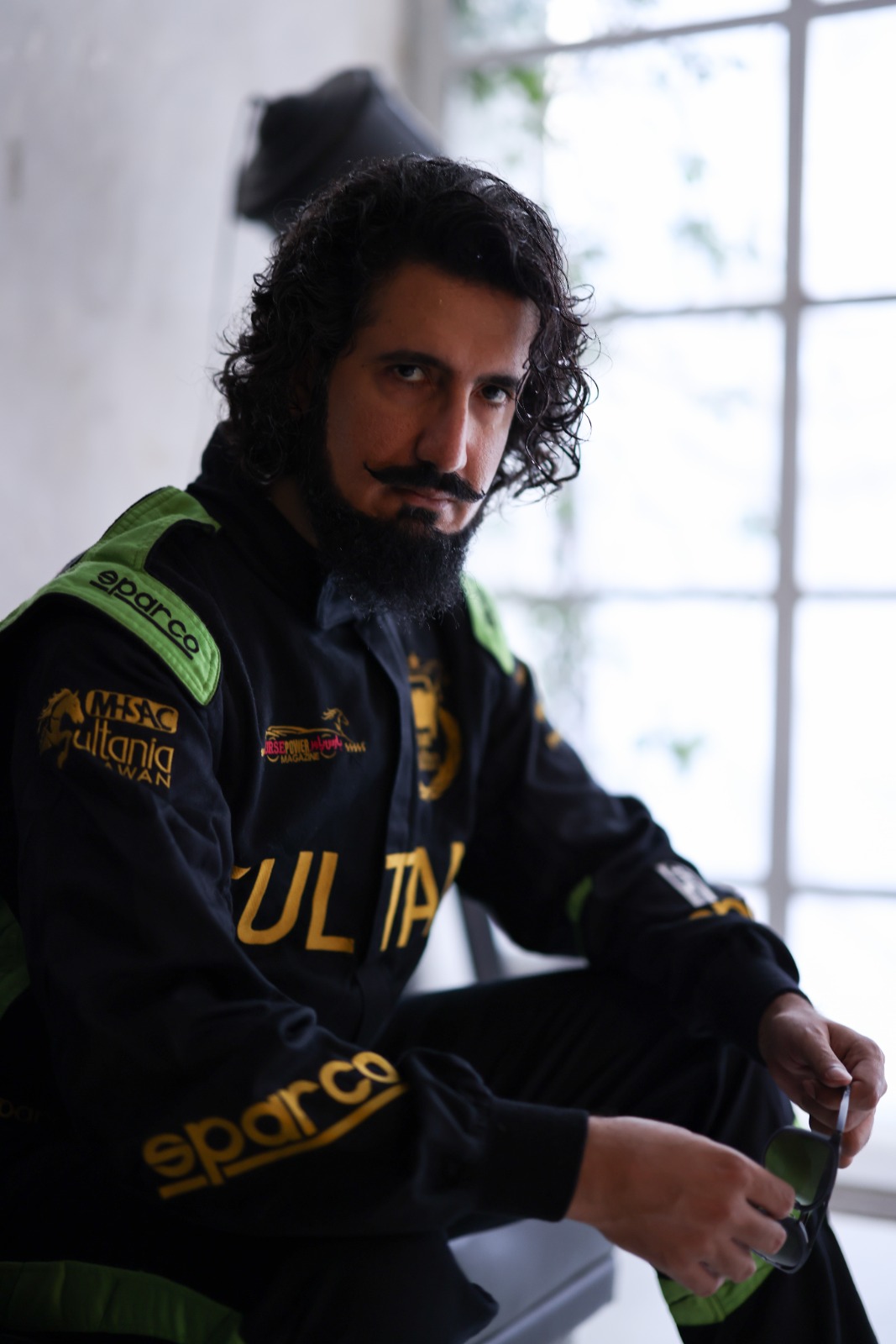
His association with equestrian sports is also rooted in culture and tradition. Horse riding has long been connected with discipline, courage, grace, and honour. In Punjab and many parts of Pakistan, the horse is more than an animal used for sport; it is part of rural culture, ceremonial life, and historic identity. For Sahibzada Sultan, equestrian sport is not merely a competitive activity. It is a continuation of a tradition that links physical skill with patience, respect, and self-control.
Through his involvement in equestrian disciplines, particularly tent pegging, he has contributed to keeping this traditional sport alive while also helping it move towards a more organized and professional future. The value of such work lies not only in trophies or events, but in creating a pathway for riders, trainers, organisers, and young talent. A sport grows when it is given structure, encouragement, and a clear sense of direction. That has been an important part of his contribution.
Team Sultan represents another side of the same spirit. It is a name associated with energy, courage and competitive ambition, but its identity is wider than racing alone. A strong team is built on trust, preparation and discipline. Behind every performance there are mechanics, support staff, riders, racers, organisers, photographers, media teams and well-wishers who work together to carry the name forward. Team Sultan has become a platform where passion meets organisation.
What makes Team Sultan important is the fact that it reflects a culture of participation. It is not only about one individual standing at the front; it is about developing a team identity. Whether in off-road racing, equestrian activity, or public representation, the team carries a sense of loyalty, shared effort and commitment. It gives young people something to follow and gives supporters something to feel connected with.
Motorsport adds a different rhythm to this journey. Desert rallying is one of the most demanding forms of sport in Pakistan. It requires courage, but courage alone is not enough. A driver must understand terrain, speed, timing, vehicle behaviour and risk. The desert does not forgive carelessness. Every stage tests patience, judgment and endurance. For Sahibzada Sultan, motorsport has become an expression of focus, adventure and resilience.
Pakistan's deserts, landscapes and rally tracks have their own character. Cholistan, Thal, Gwadar and other racing environments are not only sporting venues; they are also windows into the natural beauty and strength of the country. Through motorsport, Team Sultan has helped bring attention to these landscapes and to the growing culture of off-road racing in Pakistan. This connection between sport and national image is important. When presented well, motorsport can promote tourism, local talent, technical skill and a positive image of the country.
Public service remains the quiet thread connecting all these areas. A person may be known for sports, heritage or leadership, but the real value of any public role is found in its benefit to others. Supporting youth, promoting traditional sports, encouraging discipline, building institutions, creating awareness and representing Pakistan with dignity are all forms of service. They may appear in different fields, but they come from the same intention: to contribute something useful and lasting.
This is where Sahibzada Sultan's work becomes broader than a personal profile. It touches community, culture, sports, media and national representation. It brings together the spiritual and the practical: values on one side, action on the other. Heritage gives meaning; sports give movement; public service gives direction.
Sahibzada Sultan Muhammad Ali's life and work stand at the meeting point of inheritance and effort. He carries a spiritual and cultural legacy, but he has also chosen fields that demand discipline, courage and constant engagement. From Sufi heritage to equestrian sports, from Team Sultan to motorsport, from public service to media presence, each part of his journey reflects a different responsibility.
The strength of this journey lies in its balance. It is rooted in the past but not confined to it. It respects tradition but does not remain still. It celebrates sport but does not separate it from values. It embraces public life but keeps dignity at the centre.
In that sense, Sahibzada Sultan's profile is not the story of a single role. It is the story of a continuing effort to carry heritage with honour, to promote sports with discipline, to serve society with sincerity, and to represent Pakistan with grace.